
You pick up the brush. Your dog disappears under the bed.
You turn on the dryer. They start shaking.
You say “bath time.” They look at you like you’ve personally betrayed them.
If this sounds familiar — you’re in good company. A lot of pet parents in Delhi NCR deal with this every single grooming day. And honestly, it’s not because their dog is “difficult.” It’s usually because something in the grooming experience felt scary at some point, and now their dog just doesn’t trust it anymore.
The good news? This can genuinely get better. Not overnight — but with the right approach, most dogs come around. Here’s what actually works.
Why Do Dogs Get Scared of Grooming?
Most grooming fear comes from one bad experience that stuck.
Maybe it was a painful tug on a matted coat. A loud dryer at a crowded salon. Being held too tightly by someone unfamiliar. Or just the general chaos of being somewhere strange without their person nearby.
Once a dog connects grooming with that feeling — fear, pain, or confusion — their brain starts treating every grooming session as a threat. Even the sight of a comb can trigger it.
Some dogs are also naturally more sensitive to noise, touch, or strangers. That’s not a personality flaw. It just means they need a little more patience than others.
The approach matters enormously. Here’s how to change it.
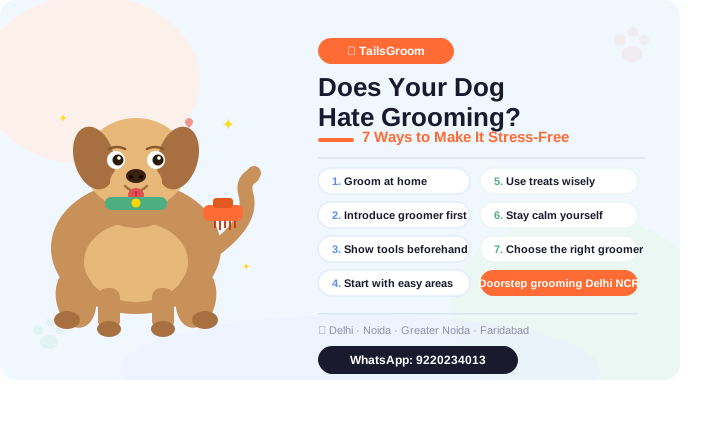
1. Try At-Home Grooming First
If your dog is nervous at the salon, the salon itself might be the problem.
Think about what a grooming salon feels like from your dog’s point of view — unfamiliar smells, other dogs barking, strangers handling them, no familiar faces around. For an anxious dog, that’s already overwhelming before anyone has even touched them.
When grooming happens at home, everything changes. Your dog is on their own turf. The smells are familiar. You’re right there. There’s no waiting room full of stressed animals.
At Tailsgroom, we see this difference constantly. Dogs who were described as “impossible to groom” often settle down within the first few minutes of an at-home session — simply because they feel safe.
If your dog hates grooming, changing the environment is the first and most effective thing you can try.
2. Let Your Dog Meet the Groomer Before Starting
Never go straight into grooming with a nervous dog.
Give them a few minutes first. Let them sniff the groomer, check out the grooming bag, and get comfortable with this new person being in their space. Our groomers at TailsGroom usually spend the opening few minutes just sitting quietly near the dog — no tools out, no rushing, just letting the dog decide when they’re ready.
It sounds like a small thing. But it changes the entire mood of the session. Trust has to come before touch.
3. Introduce the Tools the Day Before
A lot of dogs aren’t scared of grooming itself — they’re scared of the tools, because they only ever see them right before something uncomfortable happens.
Try leaving the brush, comb, nail clipper, or even the dryer near your dog’s bed the evening before a grooming session. Let them sniff it, investigate it, walk away from it, come back to it. Once the tool stops being a warning sign, dogs react much less when it actually comes out during the session.
It takes almost no effort and it genuinely works.
4. Always Start with the Easy Areas
A good groomer knows never to go for the sensitive spots first.
Paws, ears, face, and nails are usually the hardest areas for dogs to accept. Starting there puts them on edge immediately and the rest of the session becomes a battle.
Instead, begin with the back, shoulders, and sides — places most dogs are comfortable being touched. Get them relaxed and settled first. Once they’ve calmed down and found their footing, move gradually toward the trickier areas.
Rushing is one of the main reasons grooming sessions fall apart. Slow and steady works better every single time, even if it takes a little longer.
5. Use Treats — But Use Them the Right Way
Positive reinforcement works really well for grooming anxiety, but the goal is to build a genuine positive association — not to distract a dog through something that’s hurting them.
Give a small treat after nail clipping. One after ear cleaning. One when the bath is done. Over a few sessions, your dog starts connecting grooming with small rewards rather than dread. That mental shift takes time, but once it happens, it sticks.
One important thing though — never use treats to push through genuine fear or pain. Comfort and safety always come first. Treats are for rewarding calm, not for overriding distress.
6. Your Energy in the Room Matters More Than You Think
Dogs are incredibly good at reading their owners. If you’re tense and anxious during grooming, your dog picks that up and mirrors it straight back.
A lot of pet parents don’t realise they’re unintentionally making things harder — hovering too close, speaking in a worried tone, tensing up the moment the groomer gets near a sensitive spot. It’s completely understandable, but it signals to your dog that there’s something to worry about.
Try to stay relaxed, use a calm and normal voice, and let the groomer do their job without too much interference. Your dog watches you constantly. If you seem unbothered, they’re far more likely to be too.
7. Choose a Groomer Who Knows How to Handle Nervous Dogs
This one matters a lot — and it’s worth asking about directly before you book anyone.
Some groomers are great with easy-going dogs but genuinely struggle with anxious or reactive ones. Nervous dogs need slower movements, a quieter approach, flexible pacing, and someone who can read body language well enough to know when to pause and when to push through gently.
At Tailsgroom, our groomers regularly work with first-time pets, rescue dogs, senior dogs, and dogs who’ve had difficult grooming experiences before. We never rush through a session just to move on to the next booking. Getting the dog comfortable is part of the job — not an inconvenience.
Be Patient. Progress Is Real, Even When It’s Slow.
If your dog has strong grooming anxiety, don’t expect one session to fix everything.
Some dogs relax after a single calm experience. Others need three or four sessions before they genuinely start to trust it. Both are completely normal. The goal isn’t a perfect first session — it’s building a pattern of experiences that feel safe and manageable.
Over time, you’ll start noticing small things. Less shaking before the session. Standing still a little longer during brushing. Not bolting when the brush comes out. Staying relaxed when the groomer arrives.
Those small wins are real progress. Don’t underestimate them.
Why Regular Grooming Actually Helps Anxious Dogs
This surprises a lot of pet parents — but dogs who get groomed regularly tend to become less anxious over time, not more.
Long gaps between sessions make things harder. The coat gets matted, nails grow out, and the whole experience becomes more intense and uncomfortable than it needs to be. The dog also loses any familiarity with the routine, so every session feels like the first scary one all over again.
Short, frequent sessions are genuinely easier on nervous dogs. They keep the coat in good shape, make each visit quicker, and — most importantly — build a consistent routine your dog can eventually get used to.
Monthly grooming is usually enough for most breeds. For heavy-coated dogs, once every three weeks works better.
Ready to Try a Calmer Approach?
If your dog dreads salon visits or gets anxious the moment grooming starts, at-home grooming is absolutely worth trying. A familiar environment, an experienced groomer who doesn’t rush, and a patient approach can genuinely transform the experience — for your dog and for you.
TailsGroom provides gentle doorstep grooming across Delhi, Noida, Greater Noida, and Faridabad.
📞 Call or WhatsApp: 9220234013
Because grooming should never feel like something your dog needs to survive.